
Distributor-led replacement projects, managed with confidentiality.
GUTEC does not publish specific customer applications at this stage. This page explains how we handle replacement projects from RFQ intake to sample validation and controlled supply.
What we evaluate before recommending a candidate.
Every project starts with the machining context. The same insert code may require a different grade, coating or edge preparation depending on the actual application.
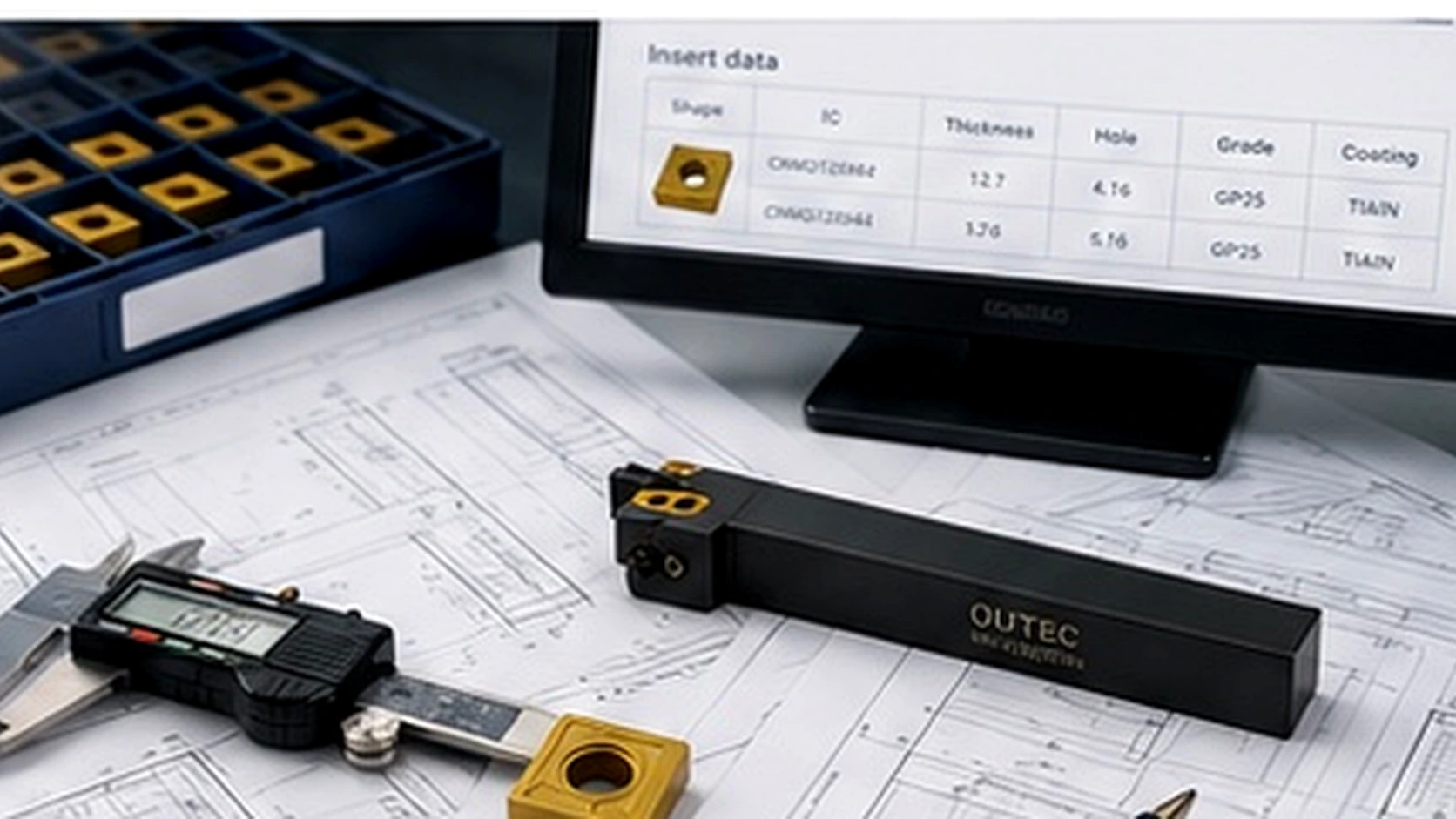
1 · Original target
Original insert code, grade, chipbreaker, box label, insert photos and cutter/holder compatibility.
2 · Application condition
Workpiece material, hardness, operation, machine, coolant, interruption, overhang and tool failure mode.
3 · Test objective
Current tool life, required surface, target cost, monthly demand, test quantity and acceptable adjustment range.
From inquiry to repeatable supply.
GUTEC keeps project data confidential and turns validated samples into controlled supply versions.
RFQ intake
Collect application details and define whether the project is technically worth sampling.
Candidate selection
Select source, geometry, grade, coating and edge preparation based on the application.
Sample dispatch
Prepare labeled samples with the necessary commercial and customs documents.
Test feedback
Compare wear, tool life, chip control, surface and operator comments against the current insert.
Version lock
Once validated, lock the supply version and repeat it without uncontrolled source changes.
No customer case is published without approval.
We can prepare anonymized application notes for distributors, but customer identities, drawings, photos, prices and sensitive process details are kept private by default.
End-user names, project details and test data are not disclosed unless the distributor approves the scope.
The public website explains the replacement method rather than exposing active customer projects.
Verified application records can be added later with proper anonymization and permission.
Application case library will be added later.
The case section is intentionally kept empty until real test data, suitable photos and public-sharing rules are fully prepared.